
1. Cuneiform (c. 3400 B.C.) - Not Digital

Cuneiform is one of the world’s earliest systems of writing, developed by the Sumerians of Mesopotamia. It involved pressing a stylus into clay tablets to create wedge-shaped marks. While it transformed their communication, it was entirely analog and based on physical symbols without any digital encoding. It marks the beginning of recorded human history.
2. Telegraph (1830s–1840s) – Not Digital
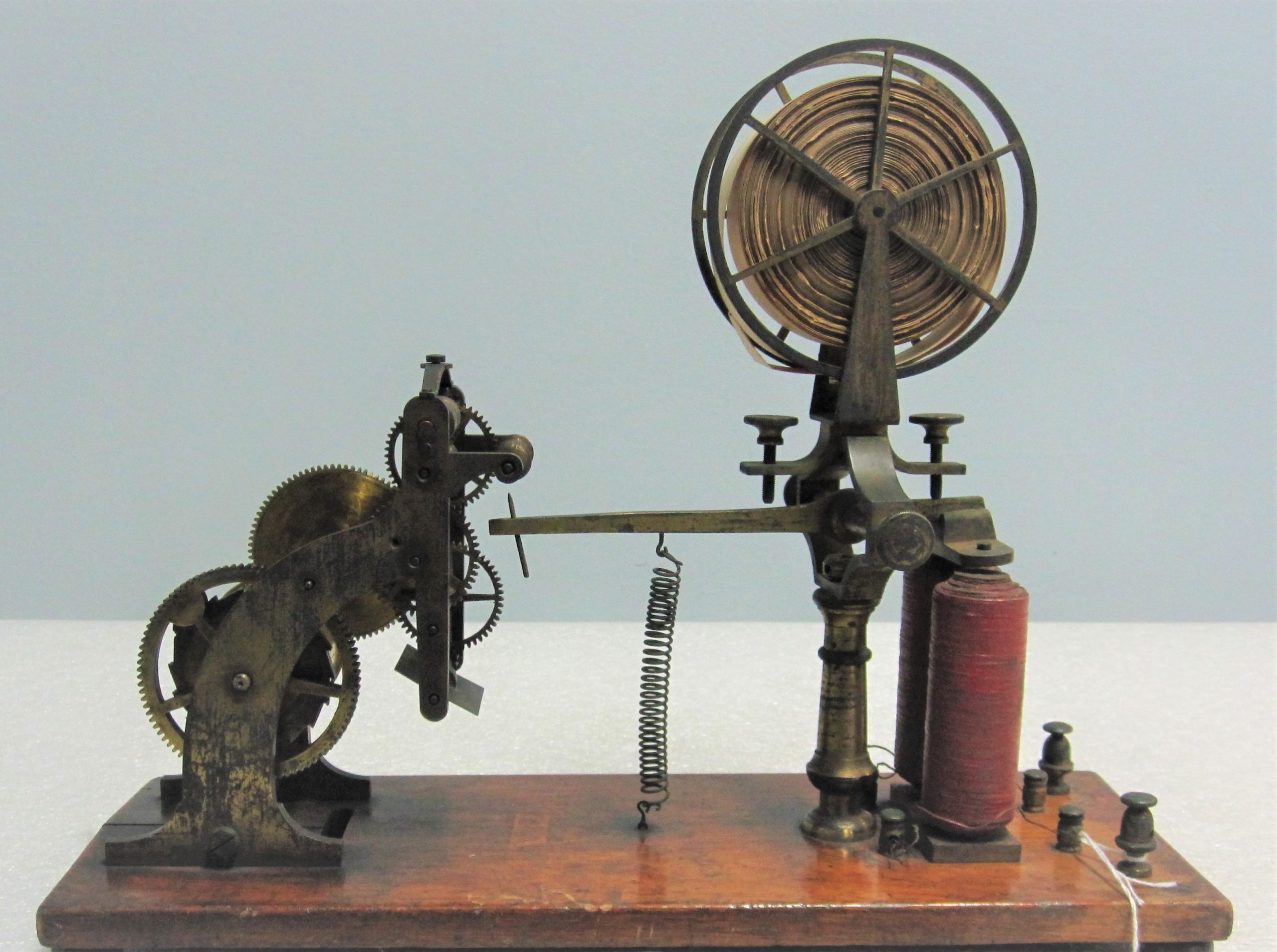
Invented by Samuel Morse and others, the telegraph allowed messages to be sent over long distances using electrical signals. It used Morse code, a system of dots and dashes, transmitted via wires. While this was a huge leap forward in communication, it was electromechanical and analog, not truly digital.
3. World Wide Web (Invented in 1989) – Digital

Invented by Tim Berners-Lee while working at CERN, the Web transformed the way people access and share information. It introduced web browsers, websites, and hyperlinks, allowing non-technical users to explore the internet. It’s entirely digital, relying on HTML, HTTP, and URLs to structure and locate data.
4. Smartphones (2000s–present) – Digital
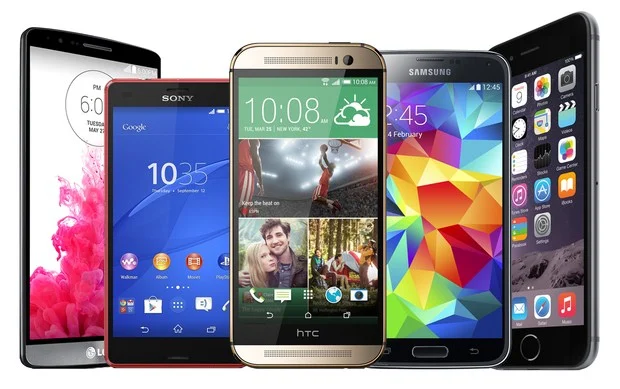
Smartphones are powerful handheld devices that combine computing, communication, and multimedia tools. Since the early 2000s, they’ve evolved from basic mobile phones to high-tech devices running complex digital apps, accessing the web, and storing vast amounts of information, all in binary form.