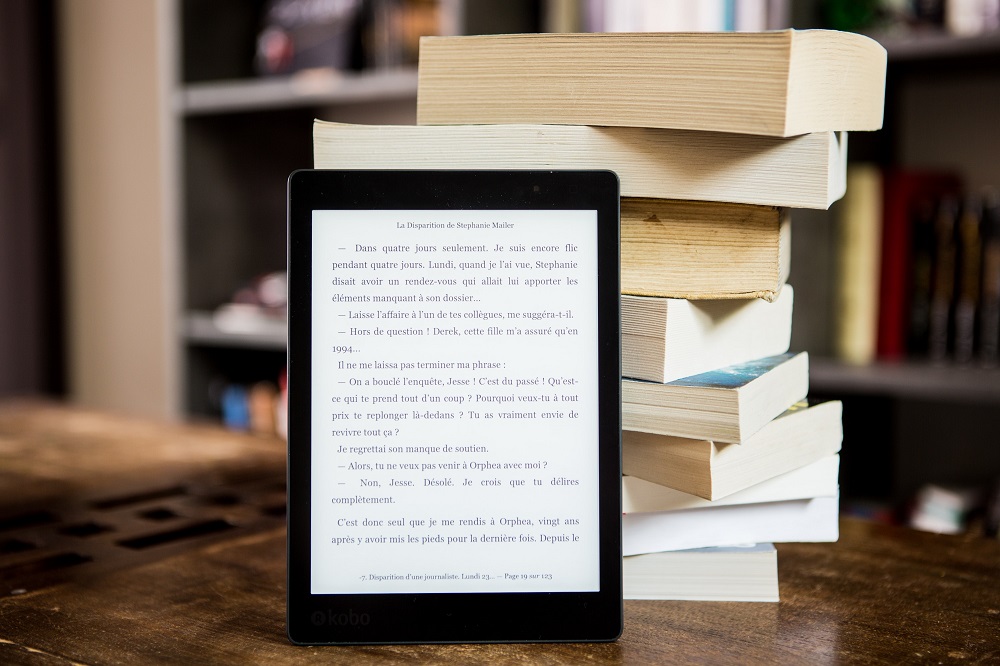
Digital Books: A New Chapter or a Lost Page?
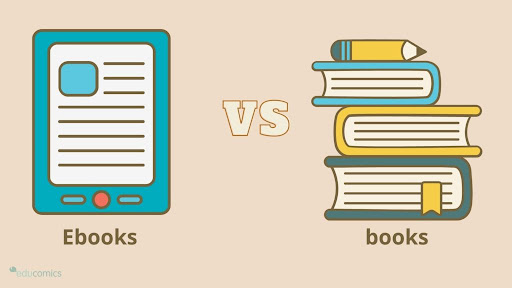
The shift from printed books to digital ones, such as e-books and audiobooks, has changed how people read and learn. This change offers significant benefits, but also has some drawbacks. To truly understand it, it’s essential to consider multiple perspectives: education, sustainability, sociology, and economics.
The Benefits (Education & Sustainability)
Easier Access: Students and readers can get thousands of books instantly online, and in some cases, for free.
Inclusive Learning Options: Digital book features, such as text-to-speech, help students read who may have vision or learning difficulties.
Greener Option: Schools and universities often use textbooks and printed materials for educational purposes. When these institutions use digital books, they reduce printing and shipping needs, which makes learning more sustainable.
The Drawbacks (Economics and Sociology)
Loss of Social Practices: Physical books are a huge part of culture and social practices. Libraries, bookstores, and reading spaces are not just places that people go to for books. They are also gathering places for people to make social connections and discuss their similar interests. The shift to digital books poses a threat to this social aspect because digital books often lead to more solitary reading experiences.
Economics: Smaller bookstores and libraries struggle to compete with digital platforms and large online retailers such as Amazon. As a result, smaller bookstores may close, which would reduce economic opportunities and lead to job losses.